

AI Infrastructure for Smart Manufacturing
Manufacturing is undergoing one of the most significant transformations in industrial history. Factories that once relied primarily on mechanical systems, manual expertise, and traditional automation are now evolving into intelligent environments powered by Artificial Intelligence. AI Infrastructure for Smart Manufacturing.
At the center of this transformation is AI infrastructure.
AI infrastructure for smart manufacturing represents the combination of computing systems, data platforms, connectivity networks, AI models, industrial software, and intelligent hardware required to build modern manufacturing ecosystems. It provides the foundation that allows machines to learn, production systems to optimize themselves, and businesses to make faster, data-driven decisions.
Smart manufacturing is not simply about installing robots or connecting machines to the internet. True intelligence requires a strong digital foundation capable of collecting massive amounts of industrial data, processing information in real time, training AI models, and delivering actionable insights across the entire manufacturing value chain.
As manufacturers face increasing pressure from global competition, supply chain disruptions, labor challenges, sustainability requirements, and customer demand for personalized products, AI infrastructure has become a strategic necessity.
The factories of the future will depend not only on physical equipment but also on the intelligence layer that connects, analyzes, and optimizes every industrial process.
Table of Contents
What Is AI Infrastructure in Smart Manufacturing?
AI infrastructure refers to the complete technology ecosystem required to develop, deploy, manage, and scale Artificial Intelligence applications within manufacturing environments.
It includes:
High-performance computing systems
Industrial data platforms
Cloud infrastructure
Edge computing devices
Industrial IoT networks
AI software frameworks
Machine learning platforms
Data storage systems
Cybersecurity solutions
Automation technologies
In manufacturing, AI infrastructure acts as the digital nervous system of the factory.
Machines generate information.
Sensors capture operational data.
Computing systems analyze information.
AI models identify patterns.
Automation systems execute decisions.
Employees receive intelligent insights.
This interconnected process creates a smart manufacturing environment capable of continuous improvement.
Why AI Infrastructure Is Critical for Smart Manufacturing
Traditional factories generate large amounts of data but often struggle to use it effectively.
Modern production environments create information from:
Machines
Robots
Sensors
Quality inspection systems
Maintenance platforms
Supply chain applications
Enterprise software
Customer systems
Without advanced infrastructure, this data remains fragmented and difficult to analyze.
AI infrastructure transforms industrial data into business value.
It enables manufacturers to:
Predict equipment failures
Improve product quality
Optimize production schedules
Reduce operational costs
Increase energy efficiency
Improve supply chain visibility
Create autonomous manufacturing processes
The success of smart manufacturing depends on the strength of its AI foundation.
The Evolution Toward AI Powered Manufacturing
Manufacturing technology has evolved through several major stages.
| Manufacturing Era | Technology Foundation | Industrial Capability |
|---|---|---|
| Industry 1.0 | Steam power | Mechanized production |
| Industry 2.0 | Electricity | Mass production |
| Industry 3.0 | Computers and automation | Digital control systems |
| Industry 4.0 | IoT, AI, analytics | Connected smart factories |
| Industry 5.0 | Human AI collaboration | Intelligent and sustainable manufacturing |
AI infrastructure represents the technological foundation required for Industry 4.0 and Industry 5.0 transformation.
Core Components of AI Infrastructure for Manufacturing
Industrial Data Platforms
Data is the foundation of Artificial Intelligence.
Smart factories generate enormous amounts of information from connected devices and business systems.
Industrial data platforms collect, organize, and manage information from multiple sources.
They integrate data from:
Production equipment
Sensors
Robotics systems
Enterprise resource planning platforms
Manufacturing execution systems
Quality management systems
Supply chain platforms
A strong data platform ensures AI models receive accurate and reliable information.
Industrial Internet of Things Infrastructure
Industrial IoT provides the connectivity layer that links physical assets with digital intelligence.
IoT infrastructure includes:
Sensors
Industrial gateways
Communication networks
Connected machines
Monitoring systems
These technologies collect real-time information about factory operations.
Examples of industrial data include:
Machine temperature
Equipment vibration
Production speed
Energy consumption
Material usage
Environmental conditions
This continuous data flow enables intelligent monitoring and decision-making.
Edge Computing Infrastructure
Manufacturing often requires immediate decisions.
Waiting for data to travel to centralized cloud systems can create delays.
Edge computing solves this challenge by processing information closer to where it is generated.
Edge AI systems are installed near:
Production machines
Robotic systems
Inspection equipment
Industrial controllers
Benefits include:
Real-time decision-making
Lower latency
Reduced network dependency
Improved reliability
Enhanced data security
Edge computing is especially important for applications such as robotics, automated inspection, and machine control.
Cloud Infrastructure
Cloud computing provides scalable resources for AI development and deployment.
Manufacturers use cloud infrastructure for:
Large-scale data storage
AI model training
Advanced analytics
Multi-location operations
Collaboration
Software management
Cloud platforms allow manufacturers to manage intelligent operations across multiple factories.
High Performance Computing
AI models require significant computational power.
High-performance computing infrastructure enables manufacturers to process complex workloads such as:
Machine learning training
Simulation
Digital twins
Computer vision analysis
Large-scale optimization
Advanced manufacturing applications depend on powerful computing capabilities.
AI Model Development Platforms
Manufacturers need specialized platforms to create, test, and deploy AI models.
These platforms support:
Machine learning development
Model training
Performance monitoring
AI deployment
Continuous improvement
AI models can be created for specific manufacturing applications such as:
Predictive maintenance
Quality prediction
Demand forecasting
Production optimization
Digital Twin Infrastructure
Digital twins are becoming an essential part of AI-powered manufacturing.
A digital twin creates a virtual representation of:
Machines
Production lines
Factories
Supply chains
AI systems use digital twins to analyze scenarios and optimize operations.
Applications include:
Virtual testing
Production planning
Equipment analysis
Process improvement
Risk reduction
Computer Vision Infrastructure
Computer vision allows AI systems to understand visual information.
Manufacturing applications require:
Industrial cameras
Image processing systems
AI vision models
High-speed computing
Computer vision improves:
Quality inspection
Assembly verification
Defect detection
Safety monitoring
Packaging analysis
Robotics and Intelligent Automation Infrastructure
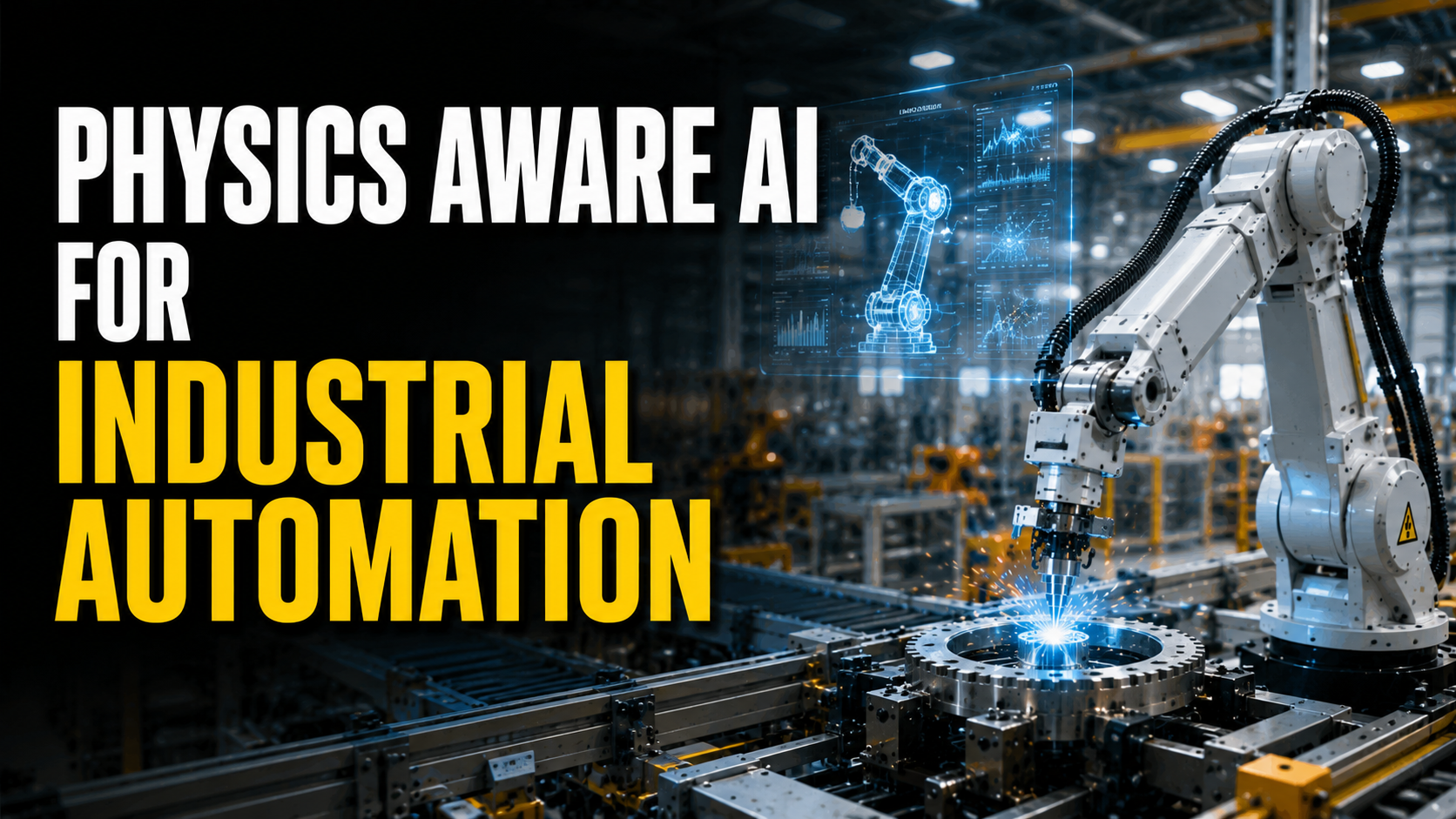
AI infrastructure enables robots to become more intelligent.
Modern robotic systems can:
Learn from data
Adapt to changes
Collaborate with humans
Optimize movements
Communicate with other systems
Intelligent robotics improves productivity while increasing manufacturing flexibility.
AI Infrastructure Architecture for Smart Manufacturing
| Infrastructure Layer | Purpose | Examples |
|---|---|---|
| Physical Layer | Generate industrial data | Machines, sensors, robots |
| Connectivity Layer | Transfer information | Industrial networks, IoT |
| Data Layer | Store and organize data | Databases, data lakes |
| Computing Layer | Process information | Cloud, edge, HPC |
| Intelligence Layer | Analyze and predict | AI models, analytics |
| Application Layer | Deliver business value | MES, ERP, dashboards |
| Security Layer | Protect operations | Cybersecurity systems |
How AI Infrastructure Improves Manufacturing Operations
Predictive Maintenance
AI infrastructure allows manufacturers to move from reactive maintenance to predictive maintenance.
AI analyzes:
Equipment behavior
Sensor information
Historical failures
Operating conditions
The system predicts potential failures before they occur.
Benefits include:
Reduced downtime
Lower maintenance costs
Longer equipment lifespan
Improved production reliability
Intelligent Quality Control
Quality inspection is one of the most valuable applications of AI infrastructure.
Computer vision systems analyze products during manufacturing and identify defects automatically.
Benefits include:
Higher accuracy
Faster inspection
Reduced waste
Improved customer satisfaction
Smart Production Planning
Production planning involves complex decisions.
AI infrastructure analyzes:
Customer demand
Machine availability
Material supply
Workforce capacity
Production constraints
AI systems recommend optimized production schedules.
Autonomous Manufacturing Operations
AI infrastructure enables factories to become increasingly autonomous.
Smart systems can:
Monitor operations
Detect problems
Adjust processes
Optimize workflows
Recommend improvements
This creates self-improving manufacturing environments.
Energy Optimization
Industrial operations consume significant energy.
AI infrastructure helps reduce energy usage by analyzing:
Machine efficiency
Production patterns
Energy consumption trends
Operational schedules
Manufacturers can reduce costs while improving sustainability.
Supply Chain Intelligence
AI infrastructure extends beyond factory boundaries.
It supports:
Demand forecasting
Inventory optimization
Supplier analysis
Logistics planning
Risk management
Intelligent supply chains improve resilience and responsiveness.
Benefits of AI Infrastructure for Smart Manufacturing
Increased Productivity
AI systems identify inefficiencies and optimize processes continuously.
Manufacturers achieve:
Higher output
Reduced delays
Improved resource utilization
Better equipment performance
Lower Operational Costs
AI infrastructure reduces costs through:
Predictive maintenance
Waste reduction
Energy optimization
Process improvement
Automation efficiency
Improved Decision Making
Managers gain access to real-time insights instead of relying only on historical reports.
AI provides:
Predictions
Recommendations
Performance analysis
Risk assessment
Greater Manufacturing Flexibility
Smart factories can quickly adapt to:
Changing demand
New products
Production variations
Customer requirements
Enhanced Sustainability
AI infrastructure supports environmentally responsible manufacturing through:
Reduced waste
Lower energy consumption
Improved resource management
Carbon monitoring
Challenges in Building AI Infrastructure
Data Management Complexity
Manufacturers generate enormous volumes of information.
Challenges include:
Data quality
Data integration
Storage requirements
Data governance
Legacy Equipment Integration
Many factories still operate older systems.
Connecting legacy equipment requires:
Industrial sensors
Communication gateways
Modern software integration
Digital transformation strategies
Cybersecurity Risks
AI-powered factories create new security challenges.
Manufacturers must protect:
Production networks
AI models
Industrial data
Connected devices
Cybersecurity must be built into every layer of AI infrastructure.
High Investment Requirements
Building AI infrastructure requires investment in:
Hardware
Software
Cloud services
Employee training
Integration projects
Organizations should adopt phased strategies to achieve measurable results.
Skills and Workforce Challenges
AI infrastructure requires new capabilities.
Organizations need professionals skilled in:
Artificial Intelligence
Data engineering
Industrial automation
Cybersecurity
Cloud computing
Manufacturing technology
Workforce development is essential for successful adoption.
The Role of Generative AI in Manufacturing Infrastructure
Generative AI is expanding the possibilities of industrial intelligence.
Manufacturers can use Generative AI for:
Engineering assistance
Technical documentation
Maintenance support
Knowledge management
Production analysis
Employee training
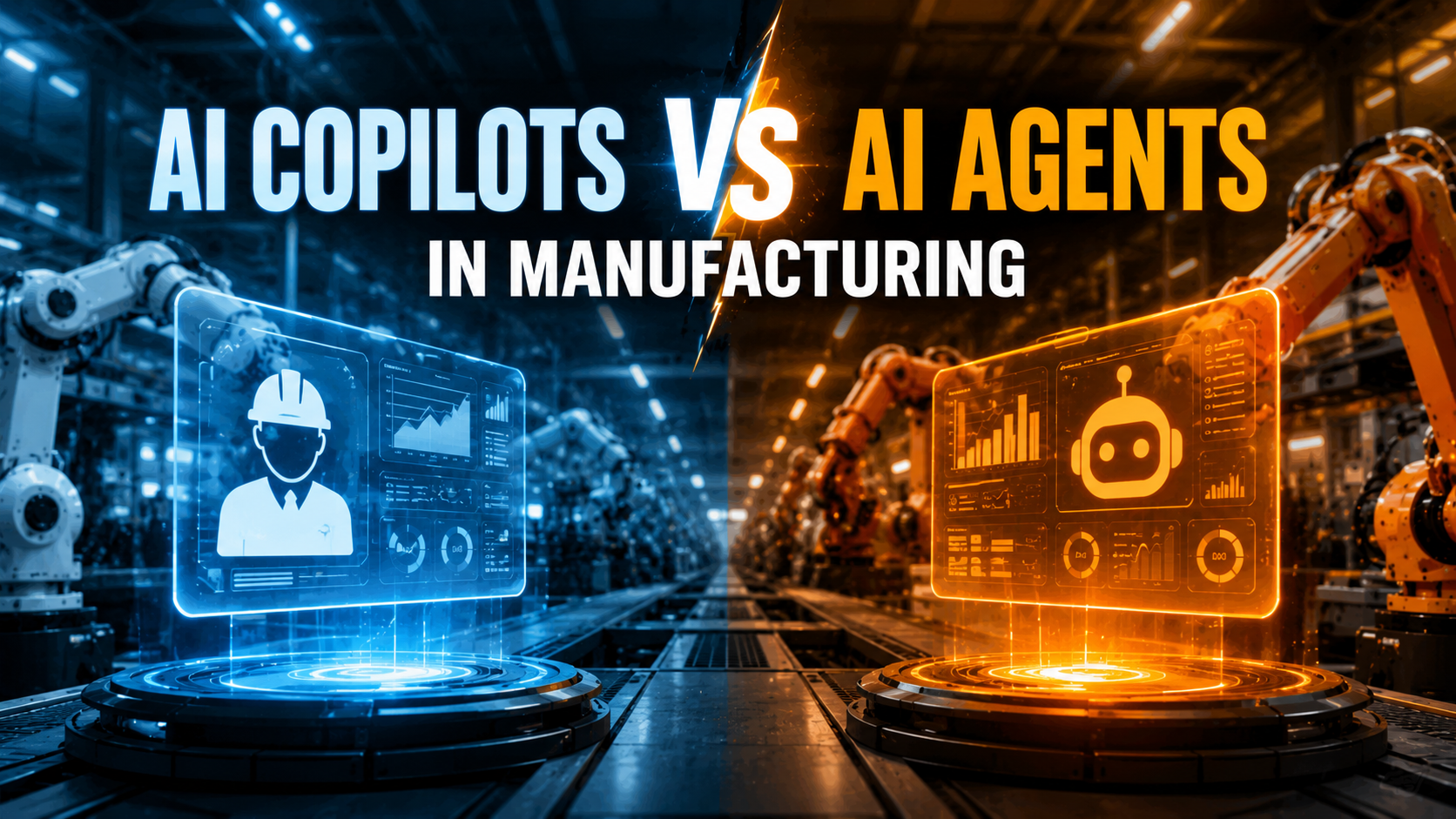
AI assistants will become an important part of future manufacturing environments.
Future Trends in AI Infrastructure for Manufacturing
Autonomous Factories
Factories will increasingly use AI infrastructure to operate with minimal human intervention.
AI Factory Operating Systems
Future manufacturing environments may use integrated AI platforms that manage:
Production
Maintenance
Quality
Energy
Supply chains
Advanced Industrial AI Models
Manufacturers will develop specialized AI models trained on industrial knowledge and operational data.
Real Time Enterprise Intelligence
AI infrastructure will connect factories, suppliers, and business systems into unified intelligent networks.
Sustainable AI Manufacturing
Future AI infrastructure will focus on optimizing environmental impact alongside productivity.
How Manufacturers Can Build AI Infrastructure Successfully
Start With Clear Business Goals
Organizations should identify specific challenges before implementing AI solutions.
Examples:
Reducing downtime
Improving quality
Optimizing energy
Increasing production efficiency
Build a Strong Data Foundation
Reliable data collection and management are essential.
Companies should invest in:
Industrial connectivity
Data platforms
Governance systems
Analytics capabilities
Adopt Hybrid Cloud and Edge Strategies
Manufacturers should balance cloud scalability with edge responsiveness.
Prioritize Cybersecurity
Security should be integrated into infrastructure design from the beginning.
Develop Employee Skills
Training programs should prepare employees for AI-powered operations.
Measuring AI Infrastructure Success
Organizations should monitor key performance indicators.
Important metrics include:
Equipment uptime
Production efficiency
Quality improvement
Energy savings
Maintenance reduction
Production speed
Operational costs
Employee productivity
Why AI Infrastructure Will Define the Future of Manufacturing
The future of manufacturing will depend on intelligence.
Factories that only automate tasks will struggle to compete with factories that can learn, predict, and optimize.
AI infrastructure provides the foundation for:
Smart operations
Autonomous production
Predictive intelligence
Continuous improvement
Sustainable manufacturing
The companies that build strong AI foundations today will lead the industrial economy of tomorrow.
Conclusion
AI infrastructure is becoming the backbone of smart manufacturing. It provides the computing power, data capabilities, connectivity, and intelligence required to transform traditional factories into adaptive and intelligent industrial ecosystems.
Through Industrial IoT, edge computing, cloud platforms, AI models, digital twins, robotics, and advanced analytics, manufacturers can improve productivity, reduce costs, enhance quality, and create more sustainable operations.
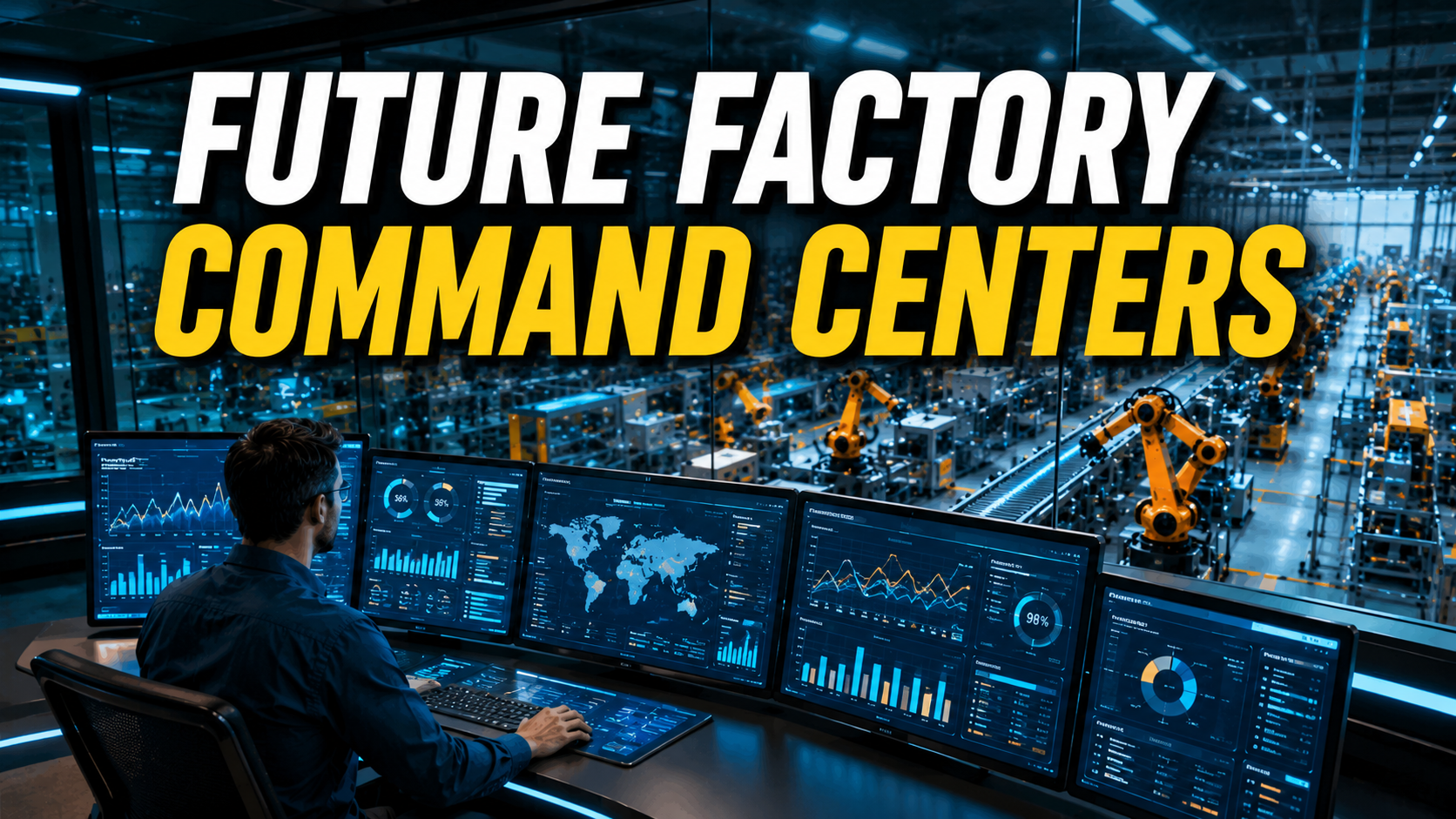
The future factory will not be defined only by machines and equipment. It will be defined by the intelligence that connects everything together.
Organizations that invest in AI infrastructure today will be better prepared for the next generation of industrial innovation.
Smart manufacturing is not only about automation. It is about creating intelligent systems capable of learning, adapting, and continuously improving.
AI infrastructure is the foundation that will make this future possible.
Also Read: “Manufacturing Intelligence as Competitive Advantage“
Author
Frequently Asked Questions
What is AI infrastructure in smart manufacturing?
AI infrastructure in smart manufacturing is the combination of computing systems, data platforms, connectivity technologies, AI models, and industrial software required to build intelligent manufacturing environments.
Why is AI infrastructure important for manufacturers?
AI infrastructure enables manufacturers to analyze operational data, predict problems, optimize processes, automate decisions, and improve productivity.
What technologies are included in AI infrastructure?
Key technologies include Industrial IoT, cloud computing, edge computing, high-performance computing, AI platforms, machine learning, digital twins, robotics, and cybersecurity systems.