






The Complete Guide to Winning Visibility in the Age of AI-Powered Search
For more than twenty years, businesses relied on a familiar formula to gain online visibility: optimize content for search engines, rank higher on Google, attract visitors, and convert traffic into customers. Search Engine Optimization (SEO) became one of the most valuable digital marketing disciplines because visibility on search results pages often determined business success. How Businesses Can Become Visible in AI Search.
Today, however, a major transformation is reshaping how people discover information online.
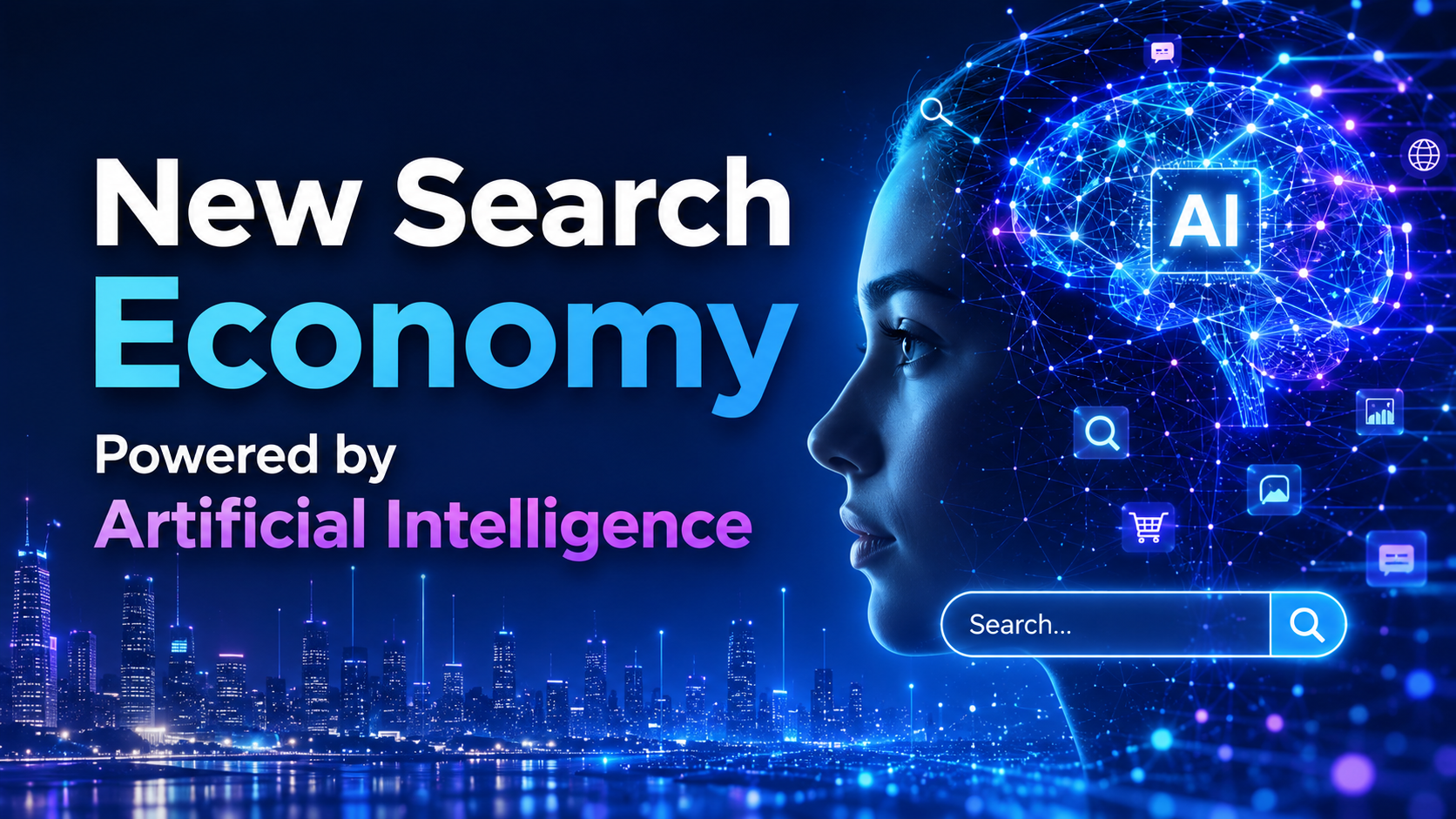
Millions of users are increasingly turning to AI-powered search platforms and conversational assistants instead of traditional search engines. Rather than scrolling through pages of links, people ask questions and receive direct answers generated by Artificial Intelligence.
This shift is creating an entirely new challenge for businesses.
If customers no longer click through multiple websites, how can businesses remain visible?
The answer lies in understanding AI Search Visibility.
Businesses must now optimize not only for search engines but also for AI systems that summarize information, recommend products, answer questions, and guide purchasing decisions.
This evolution is giving rise to new concepts such as:
- AI Search Optimization
- Generative Engine Optimization (GEO)
- AI Visibility Marketing
- Conversational Search Optimization
The companies that adapt early could gain significant advantages as AI increasingly becomes the primary gateway to information.
This guide explores how AI search works, why visibility is changing, and the practical strategies businesses can use to become visible in AI-generated answers.
Table of Contents
Understanding the Rise of AI Search
Traditional search engines provide links.
AI search provides answers.
This difference changes everything.
Traditional Search Journey
- User enters a query.
- Search engine returns results.
- User clicks a website.
- Website earns traffic.
AI Search Journey
- User asks a question.
- AI generates an answer.
- User may never visit a website.
This new model dramatically reduces the importance of clicks while increasing the importance of being referenced by AI systems.
What Is AI Search?
AI search combines traditional search technology with Artificial Intelligence.
Instead of simply retrieving documents, AI systems:
- Understand user intent
- Summarize information
- Generate explanations
- Compare products
- Provide recommendations
- Answer follow-up questions
The experience feels more like a conversation than a search.
For businesses, this means visibility increasingly depends on whether AI chooses to include their information in generated responses.
Why AI Visibility Matters
Visibility has always been important.
The difference today is where visibility occurs.
Previously, businesses competed for:
- Search rankings
- Website traffic
- Click-through rates
Now businesses compete for:
- AI citations
- Brand mentions
- Recommendation inclusion
- Knowledge references
The goal is evolving from ranking first to becoming part of the answer.
The New Digital Discovery Ecosystem
Consumer discovery is becoming fragmented.
Information now flows through:
| Discovery Channel | Role |
|---|---|
| Traditional Search | Website discovery |
| AI Search | Direct answers |
| Social Media | Recommendations |
| Video Platforms | Education |
| Communities | Peer insights |
| AI Assistants | Personalized guidance |
Businesses must build visibility across multiple environments.
Why Some Businesses Appear in AI Answers More Often
AI systems do not randomly select information.
They typically prioritize content that demonstrates:
- Authority
- Accuracy
- Expertise
- Trustworthiness
- Clarity
This aligns closely with Google’s EEAT framework.
EEAT Principles
| Factor | Meaning |
|---|---|
| Experience | First-hand knowledge |
| Expertise | Subject matter understanding |
| Authoritativeness | Industry recognition |
| Trustworthiness | Reliable information |
Businesses that excel in these areas are more likely to gain AI visibility.
Build Topical Authority, Not Just Content
One of the biggest mistakes businesses make is creating isolated content pieces.
AI systems increasingly favor topical authority.
Weak Strategy
Publishing random articles.
Strong Strategy
Becoming the definitive source on a specific subject.
For example:
A cybersecurity company should create comprehensive content covering:
- Threat detection
- Data protection
- Network security
- Compliance regulations
- Security best practices
The goal is complete subject coverage.
Create Content That Answers Questions
AI systems are designed to answer questions.
Businesses should align content accordingly.
Effective Question-Based Content
- What is cloud computing?
- How does cyber insurance work?
- Why is email security important?
- What are the benefits of CRM software?
Question-focused content increases the likelihood of appearing in AI-generated responses.
Write for Understanding, Not Just Rankings
Traditional SEO often encouraged keyword-heavy content.
AI visibility requires something different.
Content should prioritize:
- Clarity
- Context
- Accuracy
- Readability
AI systems interpret meaning rather than simply matching keywords.
The more understandable your content, the easier it becomes for AI to use it.
Use Structured Content Formats
AI systems process structured information more efficiently.
Recommended Structure
- Clear headings
- Subheadings
- Lists
- Definitions
- Tables
- FAQs
Example:
| Content Type | AI-Friendly |
|---|---|
| Long text wall | No |
| Organized sections | Yes |
| FAQs | Yes |
| Comparison tables | Yes |
| Step-by-step guides | Yes |
Structured content improves machine comprehension.
Publish Original Research
Original research is becoming one of the most valuable digital assets.
Why?
Because AI systems often seek authoritative sources.
Examples include:
- Industry surveys
- Market reports
- Case studies
- Benchmark studies
- Customer data insights
Original data differentiates businesses from competitors.
Strengthen Brand Authority
AI systems frequently prioritize recognized brands.
Businesses should invest in:
- Thought leadership
- Industry participation
- Expert interviews
- Conference speaking
- Public relations
Authority extends beyond your website.
It includes your entire digital reputation.
Optimize Author Profiles
Authors increasingly matter.
AI systems often evaluate credibility through expertise signals.
Include:
- Professional credentials
- Industry experience
- Published work
- Certifications
Strong author profiles reinforce trust.
Earn Mentions Across the Web
Visibility is not limited to your website.
AI systems may evaluate information from:
- Industry publications
- News websites
- Professional communities
- Forums
- Expert contributions
The more reputable sources mention your business, the stronger your authority signals become.
Focus on Entity Building
Search engines increasingly understand entities rather than just keywords.
An entity can be:
- A company
- A product
- A person
- A brand
Businesses should ensure consistent information across:
- Websites
- Social profiles
- Business directories
- Industry listings
Consistency improves recognition.
Develop Comprehensive Resource Pages
AI systems favor detailed resources.
Examples:
- Ultimate guides
- Industry handbooks
- Learning centers
- Knowledge bases
These resources often become valuable reference points.
Depth matters.
Why FAQs Are More Important Than Ever
FAQs align perfectly with conversational AI.
Benefits of FAQs
- Match user intent
- Address common questions
- Improve content structure
- Increase answer relevance
Well-designed FAQ sections help AI identify useful information quickly.
The Growing Importance of First-Hand Experience
One major trend in AI visibility is the increasing value of experience-based content.
Examples include:
- Case studies
- Customer stories
- Product testing
- Expert insights
AI systems increasingly favor content that demonstrates real-world experience rather than generic summaries.
Build a Strong Knowledge Graph Presence
Knowledge graphs help AI systems understand relationships between entities.
Businesses should establish:
- Consistent branding
- Accurate company information
- Detailed organizational profiles
The clearer your digital identity, the easier it becomes for AI systems to recognize and reference you.
Why Technical SEO Still Matters
AI optimization does not replace SEO.
Technical SEO remains important.
Essential Technical Elements
- Fast loading pages
- Mobile optimization
- Crawlability
- Schema markup
- Secure connections
A strong technical foundation improves discoverability.
Schema Markup and AI Visibility
Structured data helps machines understand content.
Useful schema types include:
- Organization schema
- FAQ schema
- Product schema
- Article schema
- Review schema
Schema creates machine-readable context.
This increases visibility opportunities.
Create Multi-Format Content
AI systems increasingly draw information from diverse formats.
Consider publishing:
- Articles
- Videos
- Podcasts
- Research reports
- Infographics
A broader content footprint increases exposure.
Monitor AI Search Mentions
Businesses should begin tracking:
- Brand mentions
- Product recommendations
- AI-generated references
Understanding how AI platforms describe your business provides valuable insights.
Visibility must be measured differently in the AI era.
Common Mistakes Businesses Make
Chasing Keywords Only
Context matters more than ever.
Publishing Thin Content
Depth wins.
Ignoring Authority
Trust influences visibility.
Avoiding Original Research
Unique insights stand out.
Neglecting Brand Building
Recognition drives recommendations.
Avoiding these mistakes improves long-term performance.
The Future of AI Search Visibility
By 2030, AI assistants may become primary information gateways for millions of consumers.
Users could increasingly ask:
- Which software should I buy?
- Which service provider is best?
- Which investment platform is safest?
- Which company has the strongest reputation?
The businesses included in AI-generated recommendations will enjoy significant advantages.
This makes AI visibility a strategic priority.
A Practical AI Visibility Framework
Step 1
Build expertise.
Step 2
Publish authoritative content.
Step 3
Create structured information.
Step 4
Strengthen brand recognition.
Step 5
Earn external mentions.
Step 6
Develop original research.
Step 7
Monitor AI references.
Businesses that follow this framework will be better positioned for the future.
Conclusion
AI search is transforming how information is discovered online. Instead of browsing lists of links, users increasingly rely on AI-generated answers, recommendations, and summaries. This shift is creating a new visibility challenge for businesses.
Success in the AI era requires more than traditional SEO. Companies must establish authority, demonstrate expertise, publish structured and trustworthy content, build strong brands, and create information that AI systems can easily understand and reference.
The businesses that thrive will not simply optimize for algorithms. They will become trusted sources of knowledge within their industries. As AI increasingly influences customer decisions, becoming part of the answer may become even more valuable than ranking at the top of a search results page.
The future of digital visibility belongs to organizations that understand how AI discovers, evaluates, and recommends information. Those who adapt early will be better positioned to earn trust, build influence, and remain visible in the next generation of search.
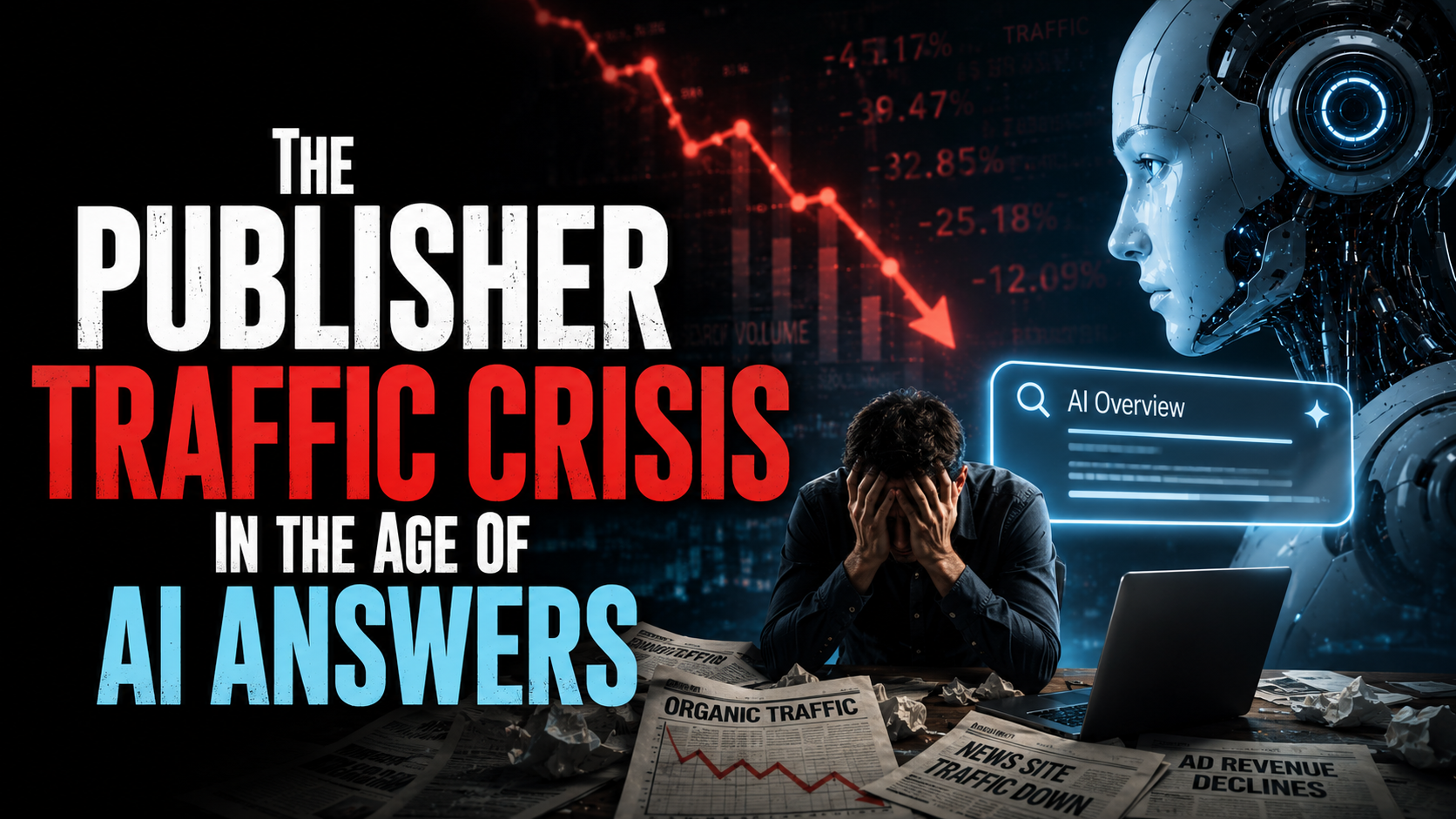
Also Read: “The Publisher Traffic Crisis in the Age of AI Answers“
Frequently Asked Questions (FAQs)
What is AI search visibility?
AI search visibility refers to a business’s ability to appear in AI-generated answers, recommendations, summaries, and conversational search experiences.
Is AI optimization replacing SEO?
No. AI optimization complements traditional SEO. Businesses increasingly need both strategies to maintain visibility across search engines and AI platforms.
How can businesses improve AI visibility?
Businesses can improve visibility by publishing authoritative content, demonstrating expertise, creating structured information, building strong brands, and earning trusted mentions across the web.
Why does EEAT matter for AI search?
AI systems often prioritize content that demonstrates Experience, Expertise, Authoritativeness, and Trustworthiness because these signals help identify reliable information sources.