









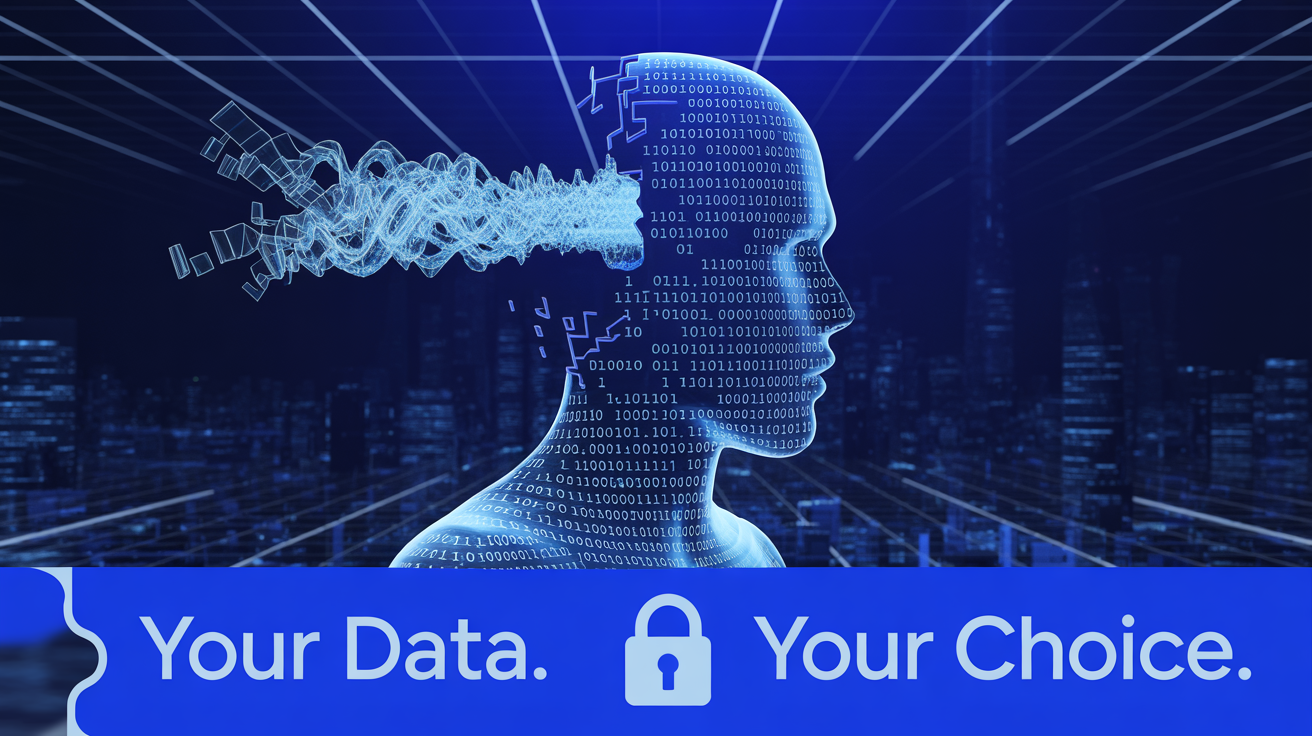
In today’s digital era, artificial intelligence (AI) is transforming industries, unlocking new efficiencies and driving innovations once thought impossible. From personalized recommendations and healthcare diagnostics to autonomous driving and intelligent virtual assistants, AI powers modern experiences. But this power comes at a cost data privacy. As AI systems increasingly rely on massive quantities of personal data, safeguarding individual privacy has become one of the most urgent technological, ethical and regulatory challenges of our time. AI and Data Privacy.
Table of Contents
In this comprehensive article, we explore the relationship between AI and data privacy, current risks and concerns, global regulatory responses, best practices for compliance, and what the future holds for privacy in the age of AI.
Understanding AI’s Data Dependency
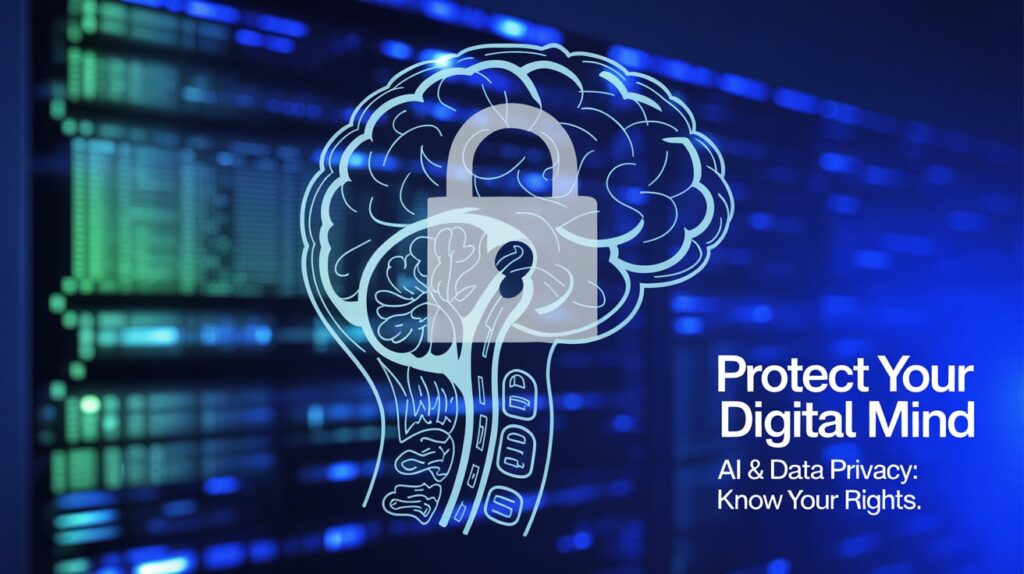
AI systems, particularly machine learning and deep learning models, are fundamentally data-driven. To recognize patterns, make predictions or automate decisions, AI needs access to large datasets often including sensitive personal information such as names, locations, financial data, medical records, browsing behavior, biometric data and more.
This reliance creates a paradox: the more capable AI becomes, the more data it needs and the greater the risk to individuals’ privacy. The ability of AI to collate, analyse, and infer personal information even when not explicitly provided raises complex privacy challenges.
Key Privacy Challenges in AI
Unregulated and Excessive Data Collection
AI systems often collect more data than necessary to improve accuracy a practice known as “data maximization”. This conflicts directly with key privacy principles like data minimization, which require that organizations collect only what they truly need.
Lack of Transparency and Control
Many AI models operate as “black boxes,” meaning users and even developers can’t easily explain how decisions are made or how data is used. This opacity creates serious challenges for accountability and user trust.
Re-identification and Biometric Risks
Even when anonymized, AI training data can sometimes be reverse-engineered to re-identify users. Technologies like facial and voice recognition can inadvertently collect sensitive biometric data without clear consent.
Bias and Discrimination
AI trained on biased historical datasets can perpetuate unfair outcomes not only harming individuals’ opportunities but also exposing personal data to decisions based on flawed assumptions.
Security Threats and Breaches
Data stored for AI purposes becomes a tempting target for cyberattacks. A breach of AI databases can expose personal details at scale, with consequences far more damaging than traditional leaks.

Regulatory Landscape: What the World Is Doing
With AI advancing faster than laws can keep up, regulators worldwide are stepping in to protect citizens’ data rights.
Europe’s GDPR and AI Act
Europe’s General Data Protection Regulation (GDPR) remains a benchmark for privacy protection, with strict consent and data-usage requirements. However, recent proposals seek to relax some aspects of GDPR and the AI Act to encourage innovation while retaining privacy safeguards sparking debate over whether protections are being weakened.
India’s New Privacy Rules
In November 2025, India introduced new data collection rules under its Digital Personal Data Protection (DPDP) law, requiring companies to collect only essential data, explain their data uses clearly, and offer opt-outs for users strengthening privacy in Asia’s large digital market.
Enforcement Actions
Regulators are actively enforcing privacy standards. For example, Italy fined OpenAI €15 million for failing to properly handle personal data and provide transparency about its use in training AI models.
Best Practices for Privacy-Safe AI
To protect individuals and organizations alike, the technology community is adopting privacy-focused approaches:
| Practice | Description |
|---|---|
| Data Minimization | Only collect data strictly necessary for a defined purpose. |
| Encryption & Secure Storage | Protect data in transit and at rest to mitigate unauthorized access. |
| Anonymization Techniques | Use irreversible methods like static data masking to prevent re-identification. |
| Transparency & Consent | Inform users about data collection and obtain clear consent. |
| Role-Based Access Controls | Restrict data access on a need-to-know basis. |
| Continuous Auditing | Regularly review data flows and privacy compliance. |
Emerging technological solutions like federated learning (training AI across devices without central data collection) and differential privacy (adding noise to datasets to mask individual identities) are promising ways to balance AI development with robust privacy protection.
The Role of Ethical AI

Beyond legal compliance, ethical frameworks are critical. Organizations are now expected to design AI with fairness, accountability, and transparency at the core, ensuring that personal data is not only managed lawfully, but also ethically.
This shift requires proactive governance from internal policies to public reporting aimed at building trustworthy AI that respects human rights and autonomy.
The Future of AI and Data Privacy
Looking ahead, the relationship between AI and data privacy is likely to evolve in several key ways:
- Stronger global privacy standards: nations will continue refining data protection laws to keep pace with AI innovation.
- AI-enabled privacy tools: ironically, AI itself will play a growing role in detecting breaches, automating compliance and safeguarding personal data.
- User empowerment: individuals will demand more control, transparency, and rights over their data.
- New ethical norms: ethical AI principles will influence corporate reputation and market leadership.
In short, AI and privacy need not be at odds: but achieving a balance requires intentional design, robust governance and global cooperation.
Conclusion
AI has the potential to unlock immense value for society, but without strong data privacy protections, it can equally erode trust and compromise individual rights. Through thoughtful regulation, ethical design and responsible implementation, we can harness AI’s power while safeguarding what matters most.
Also Read: “Clean Tech Revolution“
Frequently Asked Questions (FAQs)
Why does AI pose a threat to data privacy?
AI requires extensive data to learn and make predictions, which often includes sensitive personal information. Without proper safeguards, this data can be misused, exposed, or processed without informed consent.
Are there laws protecting privacy in AI systems?
Yes. Laws like the GDPR in Europe and India’s DPDP are designed to protect personal data. Many regions are actively updating or proposing AI-specific policies to address unique risks.
What can organizations do to protect data privacy in AI?
Organizations should adopt privacy-by-design principles, encrypt sensitive data, minimize collection, maintain transparency, and implement strict access controls.
What is federated learning and how does it protect privacy?
Federated learning allows AI models to train on data stored locally on user devices, so personal data never leaves those devices reducing central data exposure.
Can AI improve privacy protections?
Yes, AI can be used to detect anomalies, automate compliance, manage risks, and enhance data security but only if designed with privacy in mind.