









In today’s fast-paced digital era, technology influences every aspect of our lives, from how we work and socialize to how we think and feel. While digital tools and platforms offer unprecedented convenience and connectivity, they also bring unique challenges that impact our mental fitness. This comprehensive guide explores how to maintain and enhance mental well-being in a tech-driven world, offering research-backed insights, practical strategies, and expert perspectives for individuals and organizations alike. A Complete Guide to Mental Fitness in a Tech Driven World.
Table of Contents
Introduction: The Tech-Mental Health Paradox
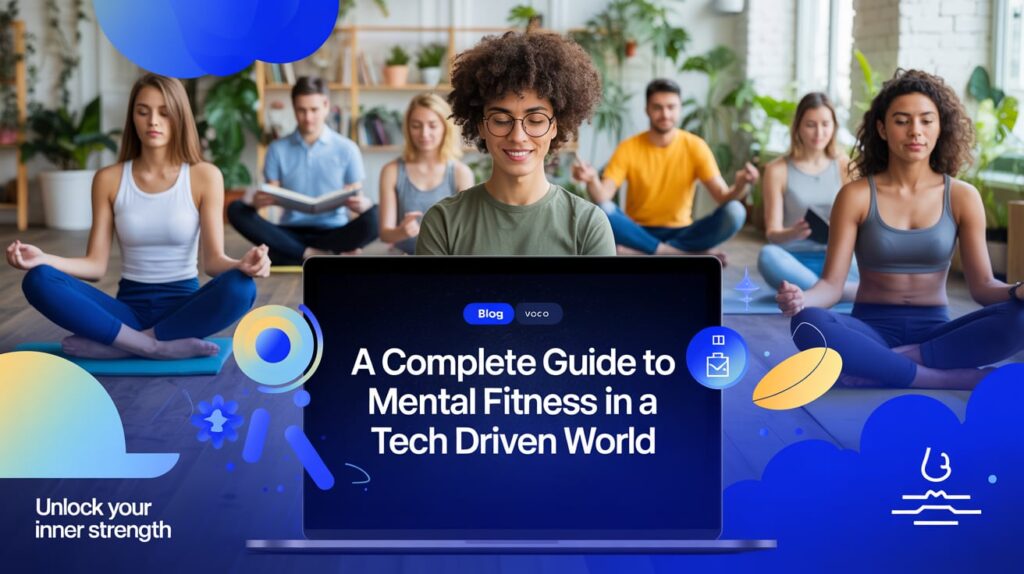
Technology is a double-edged sword. On one hand, it connects us to the world, improves productivity, and makes mental health resources more accessible. On the other, excessive use, screen addiction, and constant connectivity can contribute to stress, anxiety, sleep disruption, and feelings of isolation. Finding balance between these opposing forces is the essence of mental fitness in the digital age.
Why Mental Fitness Matters in a Digital World
In a tech-saturated society, mental fitness refers to the ability to maintain psychological resilience, emotional stability, and cognitive clarity despite the constant digital demands on attention and focus. Prioritizing mental fitness has numerous benefits:
- Improved emotional regulation and stress management
- Higher productivity and creativity
- Better sleep and physical health
- Enhanced interpersonal relationships
Yet, the ever-present influx of notifications, digital stimuli, and social media pressures can derail mental well-being if not managed mindfully.
The Impact of Technology on Mental Health: A Balanced View
Digital Opportunities for Mental Well-Being
Technology isn’t inherently bad for mental health. In fact, it offers several powerful tools that can support and enhance mental fitness:
- Teletherapy & Online Counseling: Digital platforms provide remote access to qualified mental health professionals, breaking geographical barriers.
- Mental Health Apps: Applications such as meditation guides, mood trackers, and cognitive behavioral therapy (CBT) platforms are increasingly effective in supporting self-care.
- Wearables & Biofeedback Tools: Smartwatches and trackers monitor physiological signals like heart rate and sleep patterns, helping users recognize and regulate stress.
- AI-Powered Support: Tools like AI chatbots offer continuous, non-judgmental conversations and coping exercises that complement traditional therapy.
These innovations make mental health resources more accessible, customizable, and engaging than ever before.
Challenges to Mental Fitness in the Digital Age
Despite these benefits, technology can also strain mental health in subtle and persistent ways:
- Information Overload: Constant alerts and data streams can exhaust cognitive capacity and erode focus.
- Digital Addiction: Excessive screen time may lead to decreased productivity, disrupted sleep, and mood swings.
- Social Media Pressures: The constant comparison and FOMO (fear of missing out) linked with social platforms can heighten anxiety and reduce self-esteem.
Balancing these effects requires intentional habits, digital literacy, and self-awareness the pillars of mental fitness.
Core Strategies to Build Mental Fitness
Here’s a practical roadmap to cultivate strong mental well-being while embracing digital life:
Establish Healthy Digital Boundaries
Mindfully limiting how and when you use technology helps reduce cognitive overload:
- Set screen-free times before bed to improve sleep hygiene.
- Define specific hours for work and personal digital use.
- Use built-in tools to track and limit screen time.
These strategies support focus, emotional balance, and restful sleep.
Practice Digital Detox Routines
Taking periodic breaks from technology whether for an evening or a weekend restores mental clarity and reduces stress:
- Engage in offline activities like reading, walking, or creative hobbies.
- Designate tech-free zones at home, such as bedrooms or dining tables.
- Schedule “digital sunsets” where screens are turned off before sleep.
These intentional pauses reset your relationship with technology and enhance presence in the real world.
Use Technology to Enhance Mindfulness
Ironically, tech itself can help foster mental fitness:
| Tool Type | Purpose |
|---|---|
| Meditation Apps (e.g., Headspace) | Reduce anxiety & improve focus |
| Mood Tracking Apps | Monitor patterns & emotional triggers |
| Biofeedback Devices | Support regulated breathing & stress reduction |
| Mindful Browsing Extensions | Encourage intentional internet use |
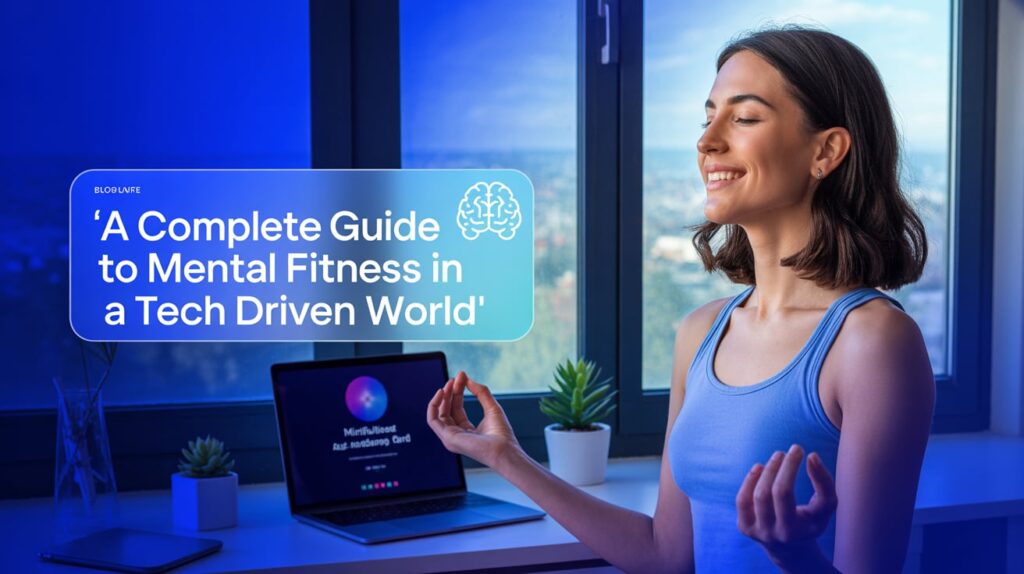
These tools guide users towards awareness and purposeful digital engagement.
Build Real-World Connections
While online connections matter, real-world interaction enriches emotional health in ways digital communication can’t replicate:
- Maintain regular face-to-face social activities.
- Foster supportive offline communities.
- Balance virtual social engagement with real-life experiences.
This intertwining of online and offline lives strengthens resilience and emotional depth.
Cultivate Digital Literacy & Awareness

Understanding how technology affects you is half the battle:
- Educate yourself on the psychological impacts of digital feedback loops and notifications.
- Question whether certain applications add value or drain energy.
- Keep informed on responsible digital habits and ethical tech design principles.
Digital literacy empowers you to make choices that support your mental health rather than undermine it.
Conclusion: Balancing Tech & Mental Fitness
Mental fitness in a tech-driven world isn’t about rejecting technology it’s about using it wisely. By creating boundaries, practicing mindful engagement, leveraging supportive tools, and nurturing real-world connections, you can harness the power of digital innovation without letting it control your well-being.
In this rapidly evolving digital landscape, strengthening your mental resilience is not just healthy it’s essential for success, fulfillment, and authentic human connection in the 21st century.
Also Read: “How Gen AI Is Changing Apps in 2026“
FAQ: Mental Fitness in a Tech-Driven World
What is mental fitness in the context of technology?
Mental fitness refers to maintaining emotional resilience, focus, and well-being in the face of digital influences like constant connectivity, information overload, and screen engagement.
Can technology actually improve mental health?
Yes! Tools like teletherapy, mental health apps, AI chatbots, and wearable biofeedback devices can enhance access to mental health support and promote positive habits.
Are digital detoxes necessary?
Regular digital breaks can help reduce stress, improve sleep quality, and restore cognitive focus. Structured detoxes build awareness and prevent burnout.
How does social media affect mental well-being?
Social media can both connect and overwhelm. Excessive use may trigger comparison, anxiety, or FOMO, while mindful curation can foster positive interactions.
What’s the role of organizations in supporting mental fitness?
Workplaces can promote mental fitness by fostering supportive cultures, flexible work practices, and access to mental health resources reducing stress and stigma.