








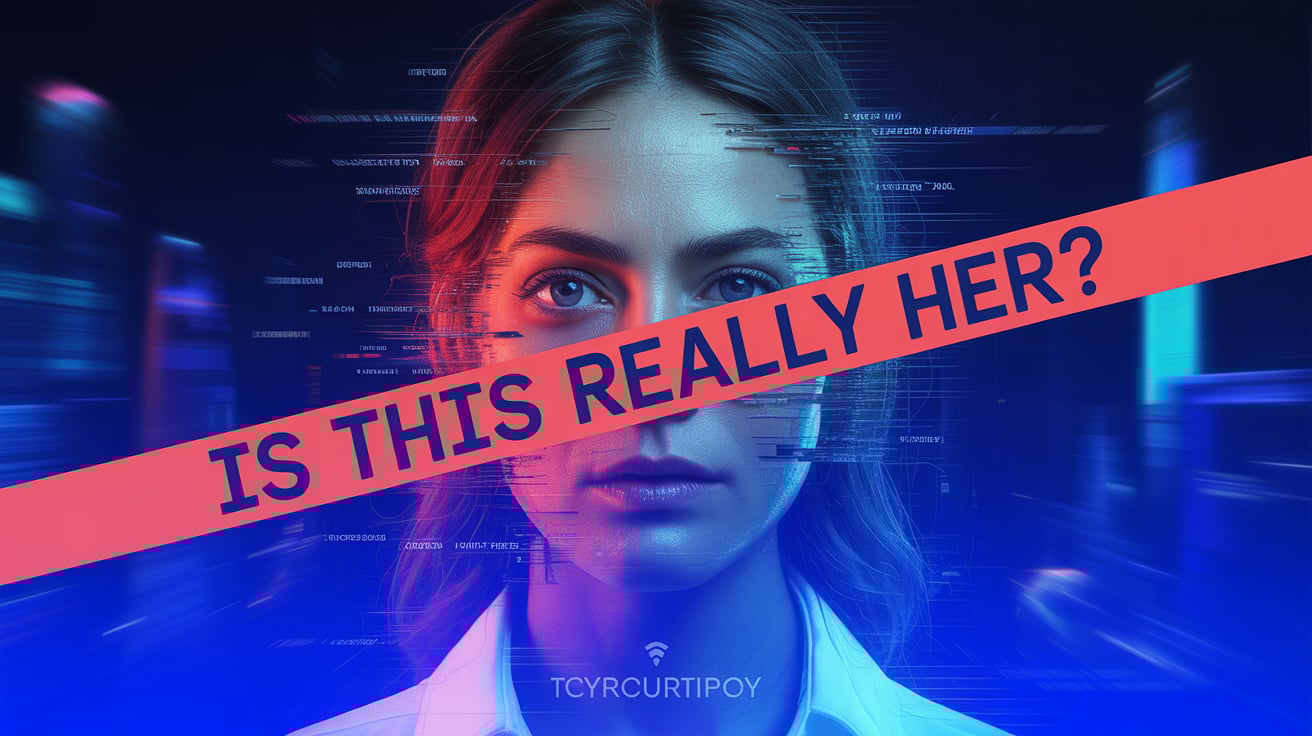
In an increasingly digital world, it may be hard to believe our eyes and our ears any longer. With the rise of sophisticated AI, a once-niche technology has already transcended entertainment and meme culture to become one of the greatest threats to privacy, security, and trust in our institutions. In 2026, the hidden dangers of deepfakes are now impossible to ignore. The Hidden Danger Behind Deepfakes in 2026.
Table of Contents
What Are Deepfakes, And Why Have They Become So Dangerous?
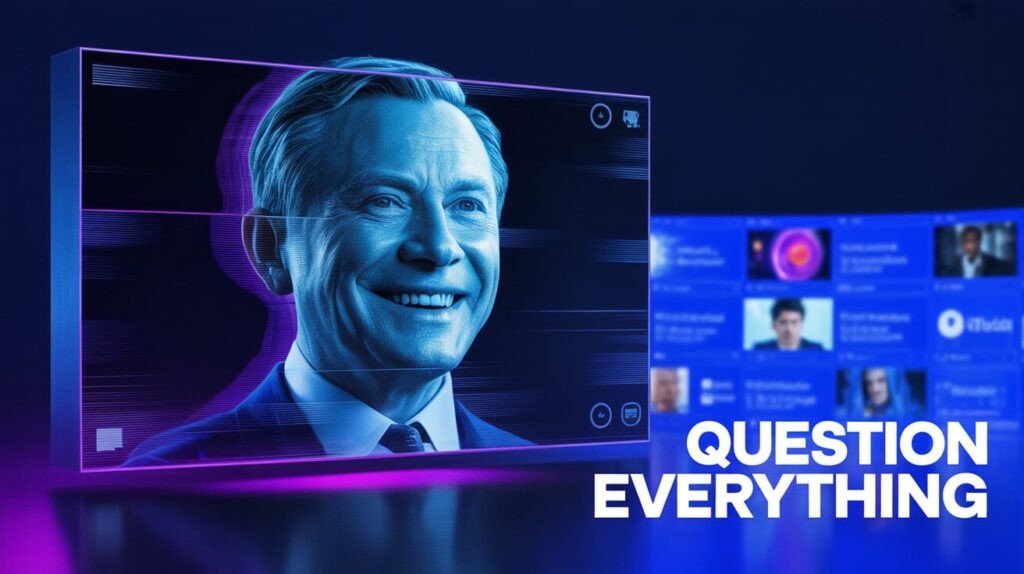
The term “deepfake” refers to synthetic audio, images, or video generated using artificial intelligence (AI), especially deep learning techniques that convincingly imitates a real person’s likeness, voice, or behavior. While the underlying technology dates back several years, its pace of improvement exploded in this decade. Today’s deepfakes can mimic even nuanced facial expressions, lip-sync audio with video, and replicate someone’s voice with chilling realism.
Originally, deepfakes found applications in entertainment enabling movie-makers to digitally resurrect actors, or to let a single performer appear multiple times on screen. But as tools became more widely available, these capabilities spread rapidly beyond harmless fun. The same technology that creates convincing movie illusions can be weaponized for fraud, manipulation, harassment, and far more.
The Spectrum of Deepfake Threats in 2026
Below is a high-level overview of the most serious dangers posed by deepfakes today:
| Category of Threat | Potential Harm / Consequences |
|---|---|
| Misinformation & Political Manipulation | Fake speeches, interviews or statements attributed to leaders or public figures undermining trust, destabilizing democracies, influencing elections, or inciting social unrest. |
| Financial Fraud & Identity Theft | Scams using deepfake audio/video (e.g. a “CEO” or “manager” video-call instructing fraudulent bank transfers), bypassing biometric checks, leading to large-scale financial losses. |
| Privacy Violations & Non-Consensual Abuse | Use of someone’s likeness without consent for pornography, harassment, blackmail, or reputational damage. Victims may suffer emotional distress, humiliation, job loss, social exclusion. |
| Erosion of Trust & Institutional Breakdown | As deepfakes grow more realistic, people may refuse to trust any video or audio making evidence, journalism, and institutions vulnerable. |
| Security & National Risk | Deepfakes can undermine biometric security systems, enable fraudulent access, or be used in political warfare threatening national security and intelligence. |
These risks are not hypothetical, they are already playing out worldwide.
Real-World Incidents Underscoring the Danger
- In 2025, a wave of AI-generated videos impersonating real doctors appeared on multiple social platforms promoting unverified supplements and peddling health misinformation. The impersonated professionals had their names and likenesses misused without consent.
- AI-enabled “virtual kidnapping” scams where perpetrators generate convincing imagery or video of loved ones and demand ransom have surged globally. Authorities increasingly warn about such emotionally manipulative fraud.
- Although sites like the notorious non-consensual deepfake porn platform Mr DeepFakes have been shut down, the digital footprint remains. The technology and methods have disseminated broadly, making deepfake creation accessible to almost anyone.
- Even when content is flagged as fake, the damage may already be done. False narratives once leaked spread quickly and widely before fact-checkers can respond. That “first impression” often leaves lasting reputational harm.
Why Detection & Regulation Are Falling Behind, The Real Danger
Despite decades of research, detecting real-world deepfakes remains extremely challenging. A 2025 study found that most top-tier deepfake detection tools even those used by governments, academia, and private firms perform poorly when confronted with authentic deepfakes in the wild.
What’s more humans themselves are unreliable at spotting deepfakes. In a controlled experiment, people correctly identified deepfaked speech only about 73% of the time and error rates rose once audio/video quality improved.
Meanwhile, regulation and legal frameworks struggle to keep pace. Many existing laws date from before AI’s rise and don’t explicitly cover synthetic media, deepfake-driven impersonation, or non-consensual AI pornography.
As a result, malicious actors currently operate in a space where technology far outstrips detection and legal consequences remain murky.
Why 2026 Is a Critical Year for Deepfake Risks
Several trends have converged to make 2026 a turning point:
- Wider Accessibility: Deepfake tools and generative-AI platforms have become more available, cheaper, easier to use enabling even non-technical users to craft realistic fakes.
- Use Beyond Entertainment: Originally viewed as experimental or artistic, deepfakes are now deployed not just in media, but in finance, health misinformation, political messaging, and identity fraud.
- Trust Erosion: As public awareness grows, a dangerous skepticism emerges real videos may be dismissed as “just AI.” That undermines journalism, legal evidence, and public trust in institutions.
- High Stakes: With voices, faces, and identities now easily cloned, attacks have consequences from financial loss to psychological trauma to national security threats.
In short 2026 is when deepfakes stop being “just a new technology.” They’ve become a systemic risk.
What Can Be Done, Prevention, Detection, and Policy
- Invest in Better Detection & Authentication Tools
AI researchers, governments, and tech firms must urgently fund next-gen detection especially those trained on real-world deepfakes rather than synthetic lab data. As one 2025 study shows, existing detectors often fail when encountering real political deepfakes.
Similarly, video platforms and social networks need stronger provenance tracking metadata, digital “watermarks,” or blockchain-style content verification to help trace origins of media. - Strengthen Legal and Regulatory Frameworks
Lawmakers worldwide must update legislation to explicitly cover unauthorized manipulation of likeness, voice, and identity. Legal protection should include non-consensual pornography, identity theft, impersonation for fraud, and disinformation. Many existing laws pre-date AI and do not adequately address these threats.
Some countries have begun to act; yet more comprehensive international cooperation is needed, given the global nature of the internet. - Promote Digital Literacy and Public Awareness
Users need to be educated about the risks of deepfakes: how to spot fake content, why they shouldn’t trust everything they see or hear, and what to do if they suspect misuse. Surveys show high public concern but low detection confidence.
Media organizations and educational platforms should run campaigns to raise awareness. - Encourage Ethical Use, Not Outright Ban
It’s important to recognize that deepfakes, like many powerful technologies, have legitimate uses: in film, education, training, creative arts, historical reconstructions, accessibility, etc.
The goal should be responsible governance, not stifling innovation altogether. Policies and detection should differentiate between ethical and malicious uses.
Conclusion
Deepfakes are no longer a futuristic concept they are a present, serious threat. As we enter 2026, the line between real and synthetic media has blurred dramatically. What once seemed like digital trickery or novelty now poses real danger to individuals, institutions, and society at large.
But hope remains. If we act now with robust detection tools, updated laws, widespread awareness campaigns, and ethical governance we can mitigate the damage while preserving the creative potential of AI. The hidden danger behind deepfakes is real, but so is our ability to confront it.
If you like I can also compile a 2026 deepfake risk forecast and “watch list” (countries, sectors, technologies) could help policymakers or individuals stay ahead.
Also Read: “AI Security Is Getting Smarter in 2026“
FAQ’s
Q1: Can deepfakes be detected reliably in 2026?
A: Not yet while there are detection tools, a 2025 benchmark study found most struggle with real-world deepfakes circulating on social platforms.
Q2: Are deepfakes always malicious?
A: No. Beyond scams and abuse, deepfakes can be used for creative, educational, or entertainment purposes e.g. digital effects in films, historical reenactments, virtual reality.
Q3: What should I do if I suspect a deepfake?
A: Verify the source, check for metadata or provenance, reverse-image search, corroborate with trusted news outlets. Be cautious about sharing. Report suspicious content to platform moderators or legal authorities if warranted.
Q4: Is there any legal protection against deepfakes globally?
A: Some countries have laws that address aspects of deepfakes such as non-consensual pornography or impersonation, but many existing regulations are outdated and don’t cover novel AI-generated abuses. Experts argue for updated legislation.
Q5: Can biometric security systems still be trusted?
A: Deepfakes complicate biometric authentication voice and facial recognition can be tricked by realistic AI-generated clones. Until systems evolve to detect liveness or other contextual clues, there is a heightened risk